Mastering Visual Narratives with Social Media Stories Templates
In the fast-paced world of digital marketing, capturing attention within the first three seconds is no longer just a goal—it is a necessity. Whether you are a solo entrepreneur managing a boutique shop or a brand strategist overseeing a corporate launch, the visual consistency of your content dictates how your audience perceives your professionalism. This is precisely where Social Media Stories Templates step in as the unsung heroes of modern design. Far beyond simple static images, these templates offer a structured yet dynamic canvas for visual storytelling. They are the bridge between a raw idea and a polished, publication-ready piece of content that drives engagement.
The Anatomy of Modern Visual Storytelling
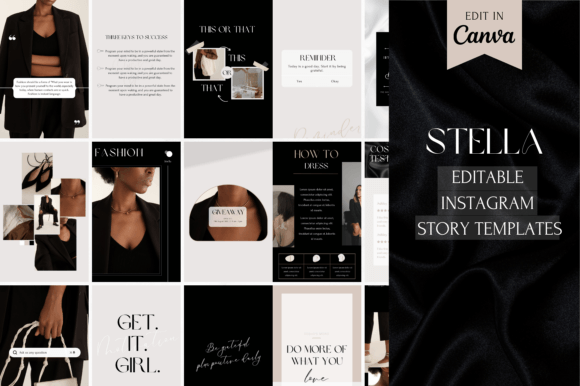
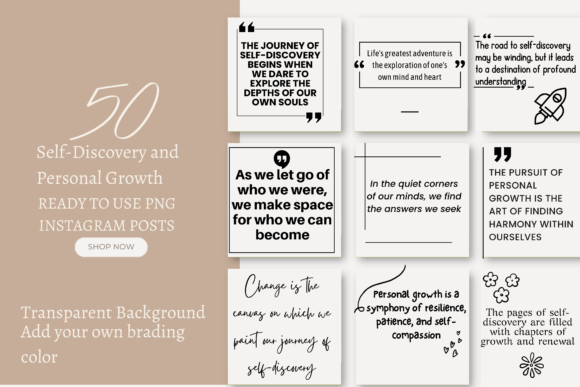
When we talk about Social Media Stories Templates, we are discussing more than just pre-made layouts. We are looking at a specific visual language designed for the vertical, immersive format of platforms like Instagram, Facebook, TikTok, and Snapchat. Visually, these templates often exhibit a blend of modern typography and balanced composition. They understand the "safe zones" of user interfaces, ensuring that text isn't obscured by profile icons or comment buttons.
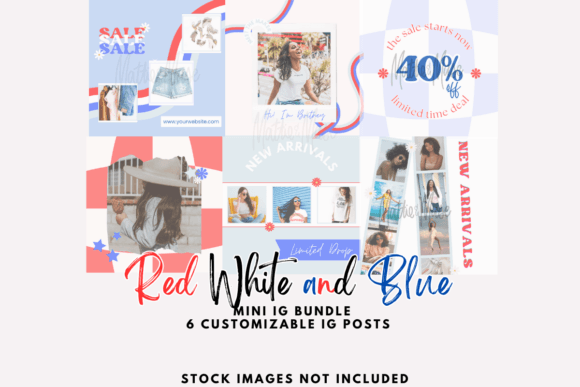
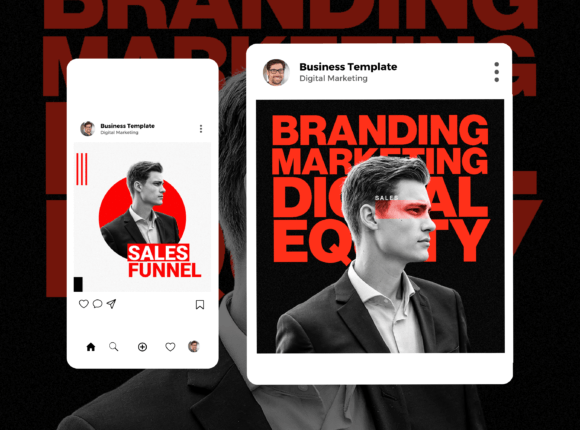
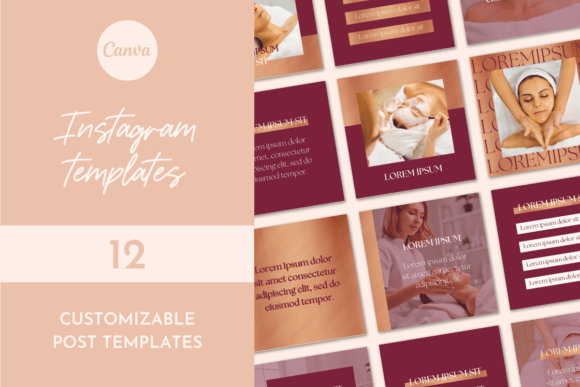
The appeal lies in their versatility. A well-designed template library usually features a mix of serif font elegance for editorial vibes, paired with clean sans serif font options for readability. You might find handwritten font accents that add a touch of intimacy and personality, perfect for a "behind-the-scenes" look, or a bold display font that commands attention for sale announcements. The personality of these templates is inherently adaptive; they act as a chameleon, shifting from corporate professionalism to playful creativity depending on the assets you layer in.
Where Templates Transform Your Workflow
The true value of Social Media Stories Templates becomes apparent when you apply them across different mediums. While they are born for the digital screen, their utility extends much further. For the web design enthusiast, these templates can be repurposed for hero sections or promotional pop-ups. If you are working on packaging design, the visual hierarchy established in a story template can inspire the side panels of a product box, ensuring your brand voice remains consistent from the phone screen to the physical shelf.
Consider the content creator or the small business owner. Time is a finite resource. Instead of staring at a blank canvas in Photoshop or Canva every morning, you can utilize these design assets to maintain a steady stream of high-quality content. They are particularly effective for:
- Editorial Design: Creating magazine-style quotes or blog post teasers that drive traffic to your website.
- Logo Design Context: Showcasing your logo in real-world mockups within the story format to demonstrate brand identity.
- Digital Marketing: Rapidly deploying flash sales, countdowns, and event announcements without sacrificing aesthetic quality.
- Personal Branding: Sharing milestones, tutorials, or daily vlogs with a cohesive look that builds audience recognition.
Imagine a crafter selling handmade goods. Using a handwritten font template allows them to maintain a rustic, approachable feel. Conversely, a tech startup might rely on a geometric sans serif font template to convey innovation and speed. The template provides the structure, but you provide the soul.
Strategic Impact on Brand Perception
Why does using a template matter so much for your brand identity? It comes down to cognitive fluency. When your audience sees a consistent visual pattern—specific colors, typography styles, and layout structures—they process your content faster and trust it more. Social Media Stories Templates are the tool that enforces this consistency.
Visual hierarchy is another critical factor. A chaotic story confuses the viewer; a templated story guides their eye. By utilizing a premium font within these templates, you elevate the perceived value of your content. It signals that you care about details. Whether you are using a sophisticated script font for a wedding planner's Instagram or a bold creative font for a music festival poster, the typography choice within the template sets the emotional tone before the user even reads the caption.
Practical Guide to Choosing and Using Templates
Selecting the right Social Media Stories Templates requires a bit of strategy. It is not just about what looks pretty; it is about what serves your specific project goals. Here is how a professional approaches the selection process:
- Evaluate Project Fit: Don't just download a pack because it's popular. Does the layout support your content density? If you are a publisher with long text overlays, you need a template with ample negative space and a highly legible sans serif font.
- Test Font Pairings: Good templates often come with suggested font pairing. Look for contrast. A heavy, bold headline paired with a light, airy body text usually works best. If the template uses a script font, ensure it is legible at small sizes.
- Review Included Styles: A robust template pack should offer more than one vibe. It should include variations for quotes, testimonials, product features, and announcements. This variety ensures you don't get bored with your own content.
- Readability Considerations: Always check how the text overlays interact with photos. If the template uses a semi-transparent overlay box, does it work with both light and dark images? This is crucial for web design and app integration where backgrounds change dynamically.
- Licensing and Usage: If you are a designer or agency, ensure you are using a commercial font license within the templates if you are selling the final product to clients. Most premium font templates include this, but it’s always worth a double-check to avoid legal headaches down the road.
Beyond the Screen: Versatility in Application
While the name implies social media, the application of these assets is limitless. Think of Social Media Stories Templates as a modular system for modern typography. You can take the vertical format and adapt it for digital signage in a retail store. You can extract the specific color palette and font styles to create a cohesive email newsletter design.
For the hobbyist or the DIY enthusiast, these templates democratize design. You don't need a degree in graphic design to create social media graphics that look like they came from a Madison Avenue agency. The heavy lifting—the kerning, the leading, the grid alignment—has been done for you. Your job is to inject your unique perspective and content into that framework.
Ultimately, the goal of using Social Media Stories Templates is to remove friction from the creative process. By establishing a visual system, you free up mental energy to focus on what really matters: connecting with your audience. Whether you are building a global empire or a local community, the right template ensures you show up consistently, professionally, and beautifully. It is not just a design shortcut; it is a strategic asset in your creative toolkit.